
Is a Full Gut Renovation Worth It in Boston?
A full gut renovation is one of the biggest decisions a Boston homeowner can make. Between high construction costs, strict permitting, and the quirks of older buildings, many owners ask the same question:
Is a full gut renovation actually worth it in Boston — or is it smarter to do a partial remodel or sell?
The answer depends on your property, neighborhood, budget, and long-term goals. Below is a clear, honest breakdown based on real Boston renovation projects.
What Is Considered a Full Gut Renovation?
In Boston, a full gut renovation typically means stripping a property down to the structural shell and rebuilding it with modern systems and finishes.
This usually includes:
Full demolition to studs and subfloor
New plumbing, electrical, and HVAC
Structural modifications (LVLs, joist sistering, leveling floors)
New insulation, drywall, windows, and doors
Complete kitchen and bathroom rebuilds
Updated fire ratings and soundproofing (critical in condos)
In older Boston homes, gut renovations often uncover hidden issues like:
Rotted framing
Uneven or undersized joists
Outdated knob-and-tube wiring
Non-code-compliant plumbing
When a Full Gut Renovation Is Worth It in Boston
1. You Own in a High-Value Neighborhood
In areas like:
South End
Back Bay
Beacon Hill
Brookline
Charlestown
South Boston
West Roxbury
A properly executed gut renovation can increase property value significantly, often justifying the upfront cost.
In these neighborhoods, buyers expect:
Central air
Modern kitchens and baths
Open layouts (where feasible)
Updated mechanical systems
A dated interior in a prime location is often worth less than a fully modernized unit with the same footprint.
2. The Building Systems Are Already Failing
If your property has:
Old plumbing
Outdated electrical
Poor insulation
Uneven or sagging floors
Doing a partial renovation can actually cost more long-term. Many Boston homeowners end up renovating twice because they try to save money upfront.
A gut renovation allows everything to be addressed once, correctly, and to current code.
3. You Plan to Stay Long-Term
If this is your forever home or a long-term hold, a gut renovation offers:
Better energy efficiency
Improved comfort
Lower maintenance costs
A layout tailored to how you live
Boston’s housing stock is old. Gut renovations are often the only way to bring a property up to modern living standards.
4. You’re Converting or Repositioning the Property
Full gut renovations make sense for:
Condo conversions
Multi-family value-add projects
Basement or attic conversions
Reconfiguring units for higher rental income
Investors and developers often rely on gut renovations to unlock hidden value.
When a Full Gut Renovation May Not Be Worth It
1. You’re Overbuilding for the Area
Spending luxury-level renovation dollars in a neighborhood that doesn’t support the resale value is risky.
For example:
$400k+ gut renovation in a condo that will only appraise $150k higher
High-end finishes in a price-capped market
A local cost-benefit analysis is critical.
2. The Layout and Systems Are Mostly Functional
If the home already has:
Updated electrical and plumbing
Reasonable floor levels
A workable layout
A targeted renovation (kitchen, bathrooms, finishes) may deliver better ROI with less disruption.
3. You Have Tight Budget Constraints
Boston gut renovations are expensive. If the budget is already stretched thin, unexpected conditions can quickly become stressful.
Older buildings almost always hide surprises.
How Much Does a Full Gut Renovation Cost in Boston?
While every project is different, typical ranges are:
Condos: $200 – $350+ per square foot
Single-family homes: $250 – $400+ per square foot
Historic or complex buildings: Higher due to structural and code requirements
Costs are affected by:
Building age
Structural scope
HOA requirements
Permit complexity
Finish level
Access and staging limitations
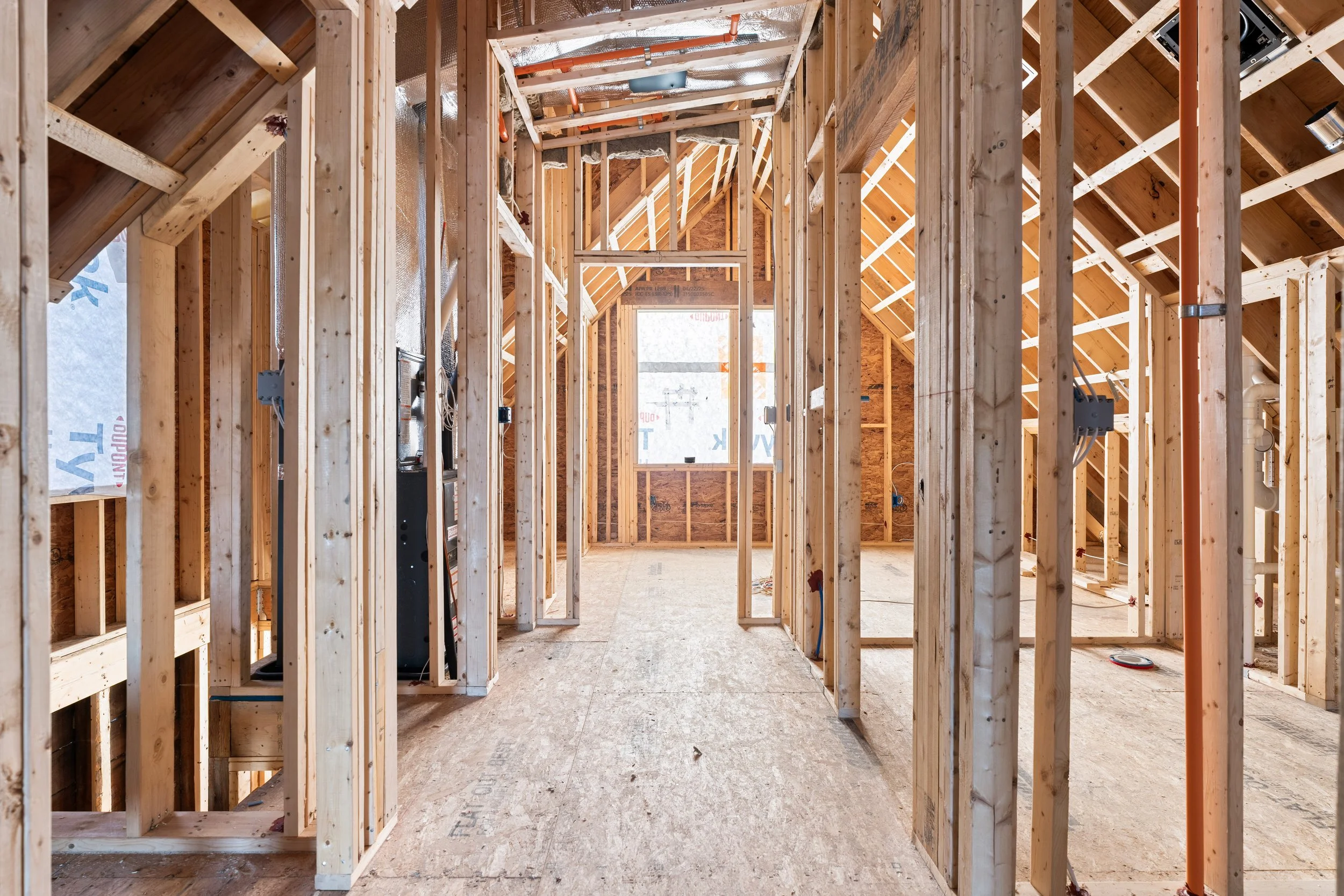
Rough Phase of a Gut Renovation
Boston-Specific Challenges That Affect Value
Permitting & Inspections
Boston ISD permits can be time-consuming. Projects must account for:
Multiple inspection stages
Fire-rating and soundproofing requirements
Historic district oversight (where applicable)
Condo Association Rules
Many gut renovations are limited by:
Working hours
Elevator access
Noise restrictions
Insurance requirements
These factors affect both cost and timeline.
Full Gut vs Partial Renovation: A Quick Comparison
Full Gut Renovation
Higher upfront cost
Longer timeline
Maximum flexibility
Addresses all hidden issues
Best long-term solution
Partial Renovation
Lower upfront cost
Shorter timeline
Limited layout changes
Risk of future system failures
Better for short-term ownership
Is a Full Gut Renovation Worth It for You?
Ask yourself:
Do I plan to stay or hold the property long-term?
Does the neighborhood support the post-renovation value?
Are the existing systems outdated or failing?
Am I trying to fundamentally change the layout or use of the space?
If you answer “yes” to most of these, a full gut renovation is often worth it in Boston.
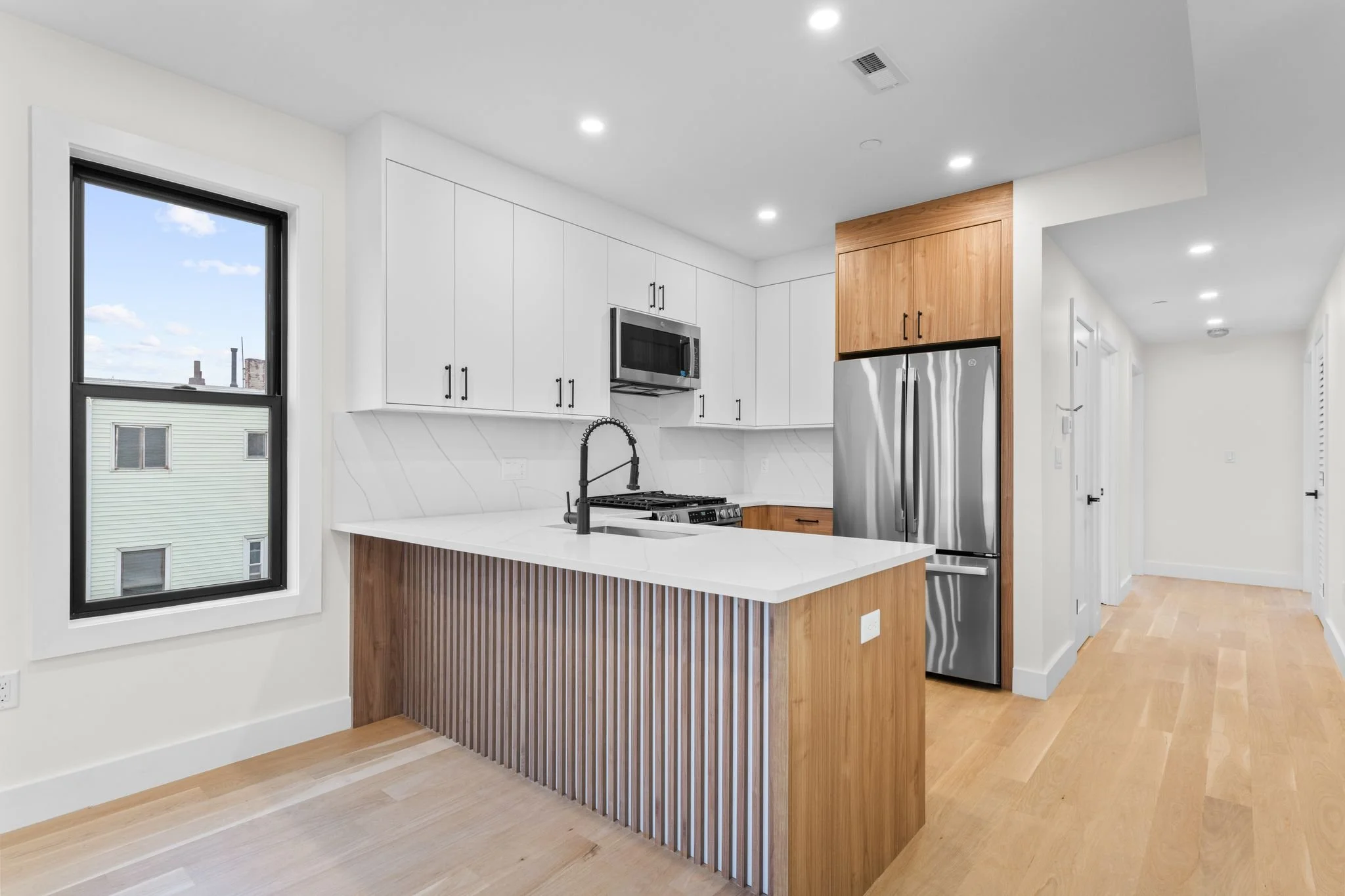
Kitchen in a Gut Renovation Project in East Boston
Frequently Asked Questions
How long does a full gut renovation take in Boston?
Typically 6–12 months, depending on permit timelines, scope, and building conditions.
Do gut renovations always increase home value?
Not always. They add the most value in strong neighborhoods and when scope aligns with market expectations.
Can I live in the property during a gut renovation?
No. Full gut renovations require temporary relocation.
Are gut renovations more risky in older Boston buildings?
Older buildings carry more unknowns, but a well-planned gut renovation reduces long-term risk by addressing everything at once.
Final Thoughts
A full gut renovation in Boston is a major investment — but when done strategically, it can dramatically improve comfort, functionality, and long-term value.
The key is planning, realistic budgeting, and understanding the local market before committing.
